In the rapidly evolving landscape of game development, the use of Generative AI has become a polarizing topic. However, industry experts and fans alike are coming to the defense of developers like Larian Studios—the visionary creators behind the Divinity series and Baldur’s Gate 3.
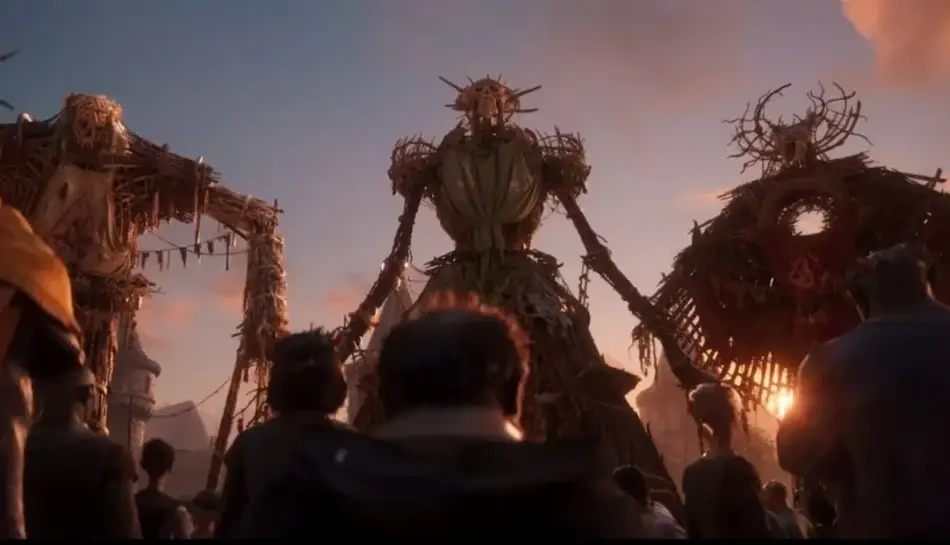
The core of the argument is simple: for a studio known for its immense, Choice-driven worlds, AI is not a tool for “laziness,” but a bridge to greater creativity. Recently, discussions have surfaced regarding how generative tools can assist in scaling up massive RPGs without compromising the “human soul” that Larian is famous for.
1. Augmentation, Not Replacement Larian has always prioritized deep storytelling. Using AI for technical tasks—such as generating NPC background barks, optimizing complex branching dialogues, or procedural environment assets—allows their human writers and designers to focus on the emotional core of the game. Blaming them for using AI ignores the fact that these tools make games like Divinity: Original Sin 3 (rumored) feasible at a modern scale.
2. Ethical Implementation Unlike studios that use AI to cut costs by firing staff, Larian’s philosophy has consistently been about “more is more.” Swen Vincke, CEO of Larian, has previously hinted that while AI is useful, it cannot replace the creative spark. Therefore, the use of AI in their workflow is viewed as a way to enhance the player experience, not to devalue human labor.
3. The Complexity of Modern RPGs As worlds get bigger, the manual workload becomes exponential. To deliver the level of detail found in the Divinity universe, generative AI acts as a sophisticated “assistant.” Criticizing its use in this context is seen by many as a misunderstanding of how modern “Triple-A” development works.
Instead of backlash, the industry should look at how Larian balances technology with artistry. If generative AI helps us get a deeper, more reactive Divinity experience, then its integration is a victory for gamers everywhere.